Champeau-En-Morvan, France
- Social impact / Awareness
- Pollination
- Habitats
- Water conservation
23120 m²
restored out of 68000 m²
Why we need to protect and conserve forest biodiversity
Support all life on Earth
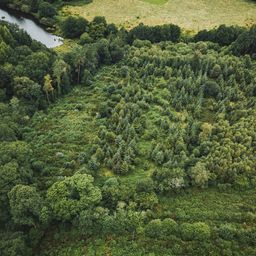
Forests are home to a multitude of our planet’s incredible plant and animal life. In fact, 80% of the Earth’s terrestrial biodiversity is found in forests.
Adapt to climate change
Healthy ecosystems are less exposed to the danger of natural hazards and better prepared for the impact of extreme weather events.
Protect plants and animals
More than 1 million animal and plant species are in danger of extinction. By protecting their habitats, we help them survive.
About the project
About the project
Our actions
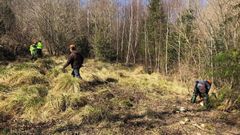
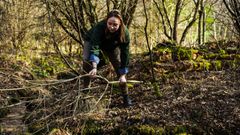
Planting of a honey hedge
First we identify the existing food resources for local pollinators. After analysing our findings, we plant honey hedges where needed. These hedges bloom in early spring or late summer, which helps bees find food during the times when they struggle the most.
Raising awareness
Awareness-raising workshops on biodiversity issues for the general public and schools.
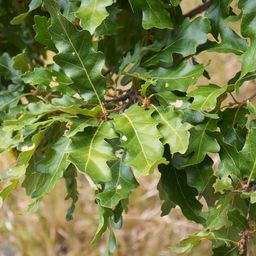
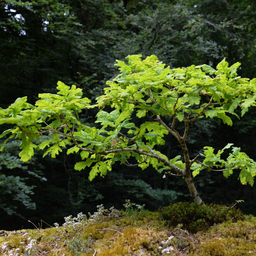
Preservation of den trees
Some trees provide vital shelter for wildlife, including birds, bats, and small mammals. We identify and protect these "den trees" by recording their unique features and monitoring the species that depend on them, ensuring they remain a safe haven for biodiversity.
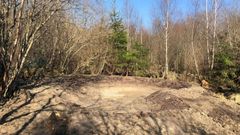
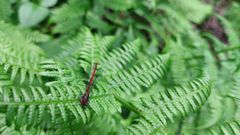
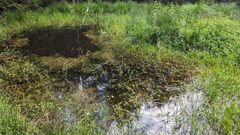
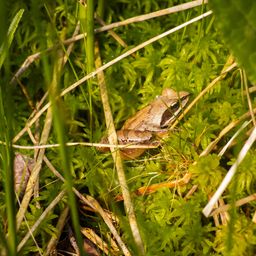
Amphibian conservation
The creation of ponds provides essential habitats for amphibians and dragonflies, which play a crucial role in maintaining ecosystem balance. Through ecological monitoring, we measure the impact on species like frogs, toads, newts, salamanders, and dragonflies, helping us understand and support biodiversity. This ensures healthier and more resilient natural environments for the future.